
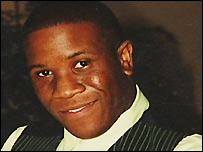
The Death of Roger Sylvester
Roger Sylvester was a 30-year-old Black man who died on 18 January 1999, seven days after being violently restrained by Metropolitan Police officers during a mental health crisis. His death became one of the most significant deaths in custody cases in the UK and remains a powerful example of the long struggle for justice faced by families whose loved ones die following contact with the police.
On 11 January 1999, Roger was found outside his Tottenham home behaving in a distressed and confused state. Eight Metropolitan Police officers restrained him, pinning him face down before carrying him to a police van. He was taken to St Ann’s Mental Health Hospital, where officers continued to restrain him for around 20 minutes. During this prolonged restraint, Roger lost consciousness. He never regained awareness and died a week later.
Following a determined four-and-a-half-year campaign by his family, an inquest finally opened in 2003. The jury concluded that Roger had been unlawfully killed, finding that he died from brain damage and cardiac arrest caused by breathing difficulties resulting from excessive and prolonged restraint. The verdict was widely seen as a landmark acknowledgement of the dangers associated with restraint techniques used by the police.
However, in 2004 the High Court quashed the unlawful killing verdict after a legal challenge by the Metropolitan Police, replacing it with an open verdict. The Crown Prosecution Service later decided there was insufficient evidence to prosecute any of the eight officers involved. The decision was met with widespread criticism from Roger’s family, civil rights organisations and campaign groups.
Throughout the campaign, the United Families & Friends Campaign (UFFC) stood alongside the Sylvester family in their pursuit of truth, justice and accountability. Roger’s case remains central to UFFC’s work highlighting the disproportionate use of force against Black people, the dangers of prolonged restraint, and the need for meaningful reform within policing and mental health responses.
More than two decades later, Roger Sylvester’s legacy continues to inspire campaigns for accountability, safer restraint practices, and an end to deaths in police, prison and psychiatric custody. His family’s determination has helped ensure that his story remains an important part of the ongoing fight for justice and systemic change.