
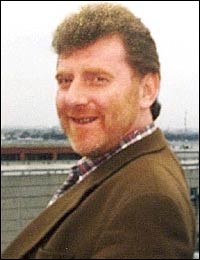
The Death of Harry Stanley
Harry Stanley was a 46-year-old Scottish painter and decorator who was fatally shot by Metropolitan Police officers on 22 September 1999 in Hackney, East London. His death became one of the UK’s most well-known police shooting cases, highlighting the devastating consequences of mistaken identity and the lengthy struggle many families face in seeking justice after a death involving the police.
On the day of his death, Harry had collected a repaired table leg from his brother’s workshop and was carrying it home in a blue plastic bag. Following an anonymous call reporting that an Irish man was leaving a nearby pub carrying a sawn-off shotgun, armed police officers located Harry and confronted him. Believing he posed an immediate threat, two officers fired multiple shots, striking him in the head and hand. Harry died at the scene. It later became clear that the object he was carrying was an ordinary wooden table leg.
The case was followed by years of legal proceedings. An initial inquest in 2002 returned an open verdict after the jury was directed not to consider unlawful killing. Following a successful judicial review by Harry’s family, a second inquest was held in 2004, where the jury returned a verdict of unlawful killing.
However, in 2005 the High Court overturned that verdict, ruling there was insufficient evidence to support it. Later that year, the Crown Prosecution Service decided not to prosecute the officers involved, concluding that they could reasonably have believed they were acting in self-defence based on the information available to them at the time. These decisions caused widespread concern among campaigners and further fuelled calls for greater police accountability.
Harry Stanley’s family continued to campaign tirelessly for truth and justice, supported by the United Families & Friends Campaign (UFFC) and organisations including INQUEST. His case became an important example of the need for independent investigations into police shootings, greater transparency, and stronger accountability where fatal force is used.
Today, Harry Stanley’s death remains a significant part of the UFFC’s ongoing campaign against deaths in custody and following police contact. His family’s determination continues to inspire efforts to improve police accountability, strengthen public confidence, and ensure that no family has to endure such a prolonged struggle for justice.