
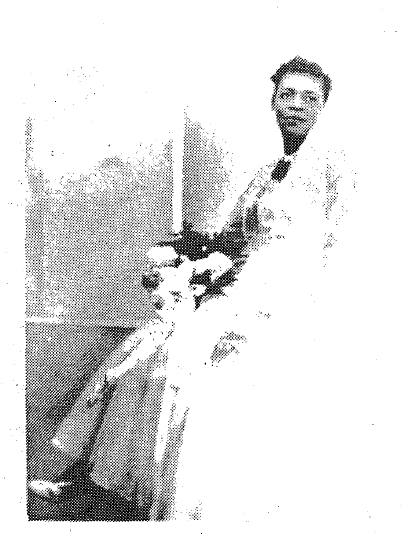
The Death of Aseta Simms
Aseta Simms was a Black woman who died in highly suspicious circumstances while in custody at Stoke Newington Police Station in North London in May 1971. Her sudden and violent death became an early, landmark rallying point for the Black British community against systemic police brutality, exposing a notorious pattern of corruption and heavy-handed policing within the Hackney division during the 1970s.
On the night of her death, Aseta was taken into police custody following an interaction with officers in Stoke Newington. Hours later, she was found dead inside the police station. While the police narrative attempted to distance officers from any wrongdoing, medical examinations quickly complicated the state’s account. The official police doctor was reportedly unable to determine a clear, natural cause of death, but physical examinations revealed extensive bruising to her face and severe swelling to her brain. Independent analysis noted that these severe head injuries were entirely consistent with someone who had been severely beaten
The tragedy triggered immediate public outrage and deep-seated community anger across London. The Black Unity and Freedom Party (BUFP) spearheaded the response, launching a prominent grassroots campaign and publishing an influential pamphlet titled “Who Killed Aseta Simms?” to bypass mainstream media indifference and directly expose the suspicious details of her detention. This grassroots organizing marked one of the first times the community collectively refused to accept police concealment tactics regarding deaths in custody.
An inquest into Aseta’s death was convened later that year, but it faced heavy criticism for its rapid and defensive nature. Despite the stark evidence of physical trauma, the coroner guided the jury toward a swift conclusion, officially recording a verdict of death by misadventure. This verdict was fiercely condemned by her family and political organizers, who argued that the legal terminology was deliberately weaponized to shield the state, minimize a police killing, and prevent a formal criminal investigation into the officers involved.
Decades later, the legacy of Aseta Simms continues to serve as an enduring symbol of institutional injustice. Her family, including her daughter Lileth Pamela Simms, have spent more than fifty years campaigning for truth, speaking at alternative platforms like the People’s Trubunal on Police Killings. Her story remains deeply intertwined with the broader history of custodial deaths in Hackney, featured prominently alongside later victims in protest materials and powerful investigative documentaries like Ken Fero’s Injustice.